Virtual Staging vs Traditional Staging: Which is Right for Your Listing?
Discover the pros and cons of virtual staging compared to traditional staging, and learn when each approach works best for selling properties faster.

Sarah Mitchell
March 1, 2026

In today's competitive real estate market, presentation is everything. The way you showcase a property can make the difference between a quick sale and months on the market. Two popular approaches have emerged: traditional staging and virtual staging. But which one is right for your listing?
What is Traditional Staging?
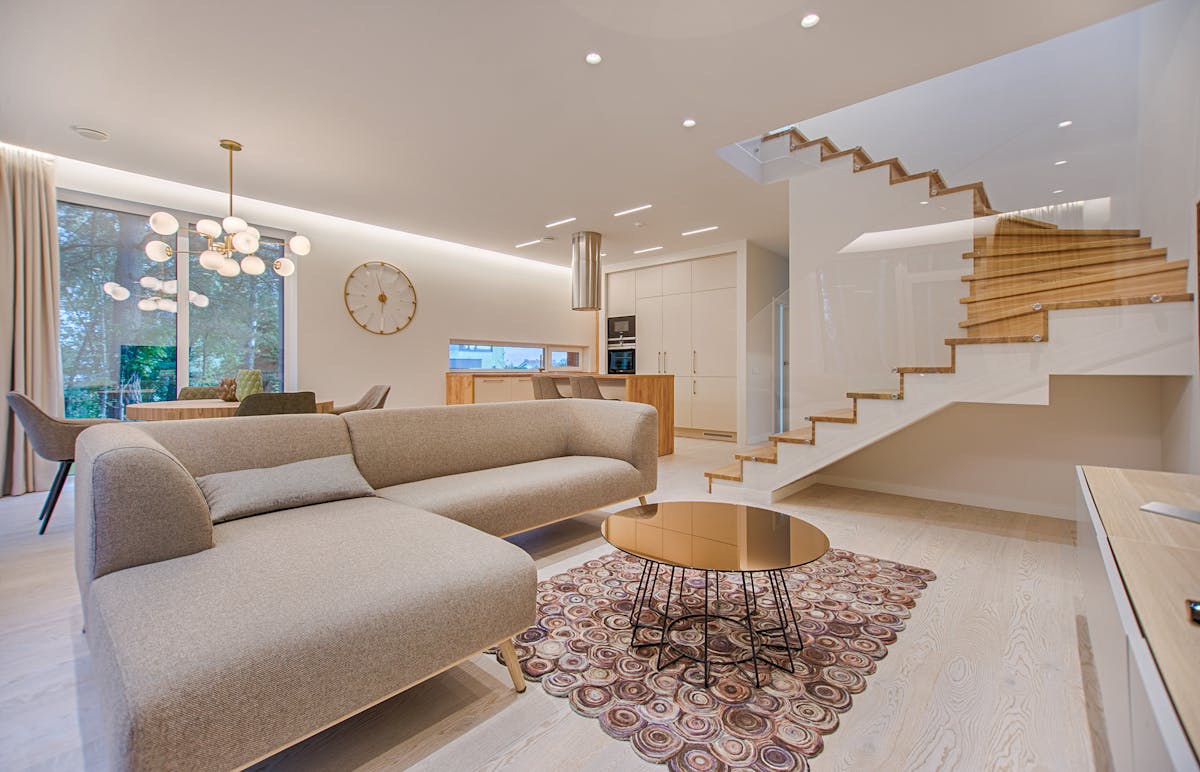
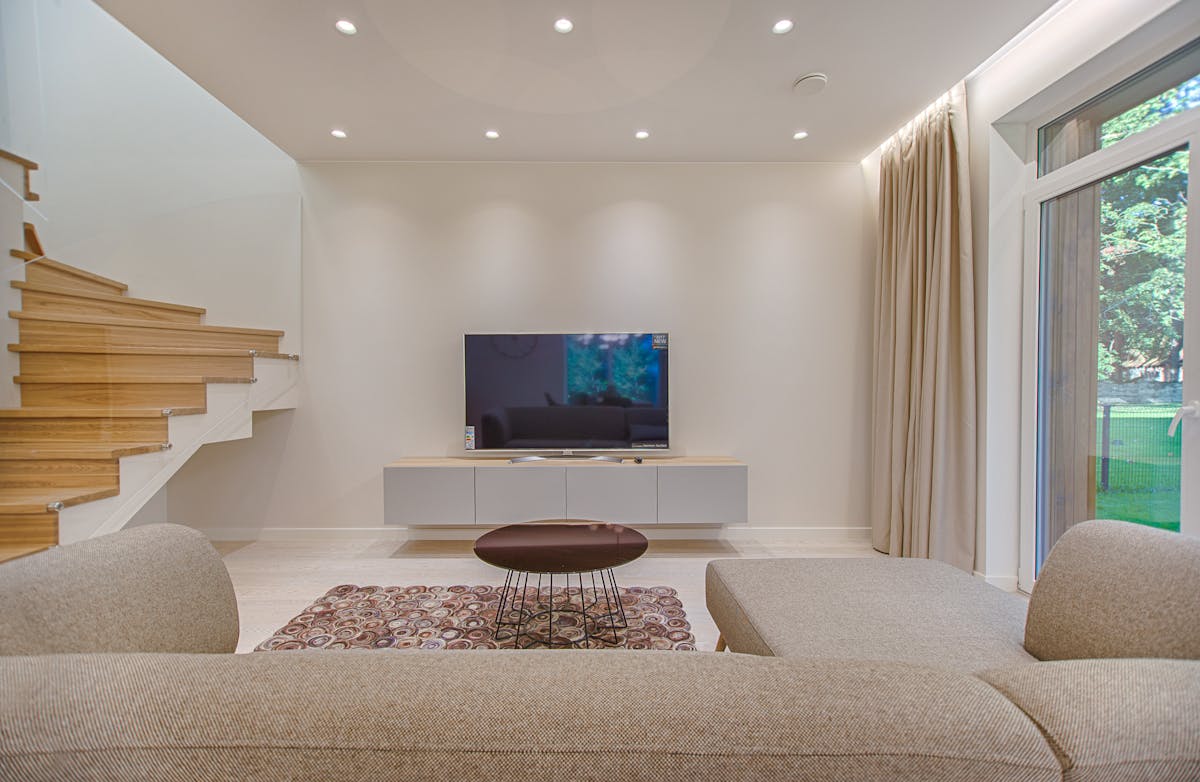
Traditional staging involves physically furnishing and decorating a property with real furniture, artwork, and accessories. Professional stagers carefully select pieces that highlight the home's best features and help potential buyers envision themselves living in the space.
Pros of Traditional Staging:
- Tangible Experience: Buyers can walk through and physically interact with the staged space
- Emotional Connection: Real furniture creates an authentic atmosphere that helps buyers connect emotionally
- Photography Ready: The space is ready for professional photos and video tours
- Open House Appeal: Creates a memorable impression during in-person showings
Cons of Traditional Staging:
- High Cost: Can range from $2,000 to $10,000+ depending on the property size
- Time-Consuming: Requires coordination with staging companies and furniture delivery
- Limited Flexibility: Once staged, making changes is difficult and expensive
- Maintenance: Requires upkeep and cleaning throughout the listing period
What is Virtual Staging?
Virtual staging uses advanced photo editing software to digitally add furniture and decor to empty room photos. Professional designers create realistic, photorealistic images that showcase the property's potential without physically moving a single piece of furniture.
Pros of Virtual Staging:
- Cost-Effective: Typically costs $50-$150 per room, a fraction of traditional staging
- Quick Turnaround: Images can be ready in 24-48 hours
- Unlimited Options: Easily try different furniture styles and layouts
- Perfect for Online Listings: 95% of buyers start their search online
- No Physical Constraints: No need to coordinate deliveries or worry about damage
Cons of Virtual Staging:
- Disclosure Required: Must clearly indicate photos are virtually staged
- No Physical Experience: Buyers see empty rooms during in-person showings
- Potential Disappointment: If not disclosed properly, buyers may feel misled
- Limited to Photos: Cannot be used for video tours or 3D walkthroughs
When to Choose Traditional Staging
Traditional staging works best for:
- Luxury properties where the investment is justified by the price point
- Homes in competitive markets where in-person showings are common
- Properties with unique layouts that benefit from physical furniture placement
- Listings where you expect high foot traffic and multiple open houses
When to Choose Virtual Staging
Virtual staging is ideal for:
- Budget-conscious sellers who want professional presentation
- Vacant properties that need to show their potential
- Markets where most buyers search online first
- Properties that need to appeal to multiple buyer demographics
- Quick turnaround situations where time is critical
The Bottom Line
Both traditional and virtual staging have their place in modern real estate marketing. The right choice depends on your budget, timeline, target market, and property type.
About Sarah Mitchell
Real estate marketing expert with over 10 years of experience helping agents sell properties faster through professional photography and staging.
Ready to Transform Your Property Listings?
Get professional photo editing services that help your properties sell faster.
Start Editing with Prixcraft